From Human Receptionists to 24/7 AI Agents: The Rise of Autonomous Customer Support
Introduction
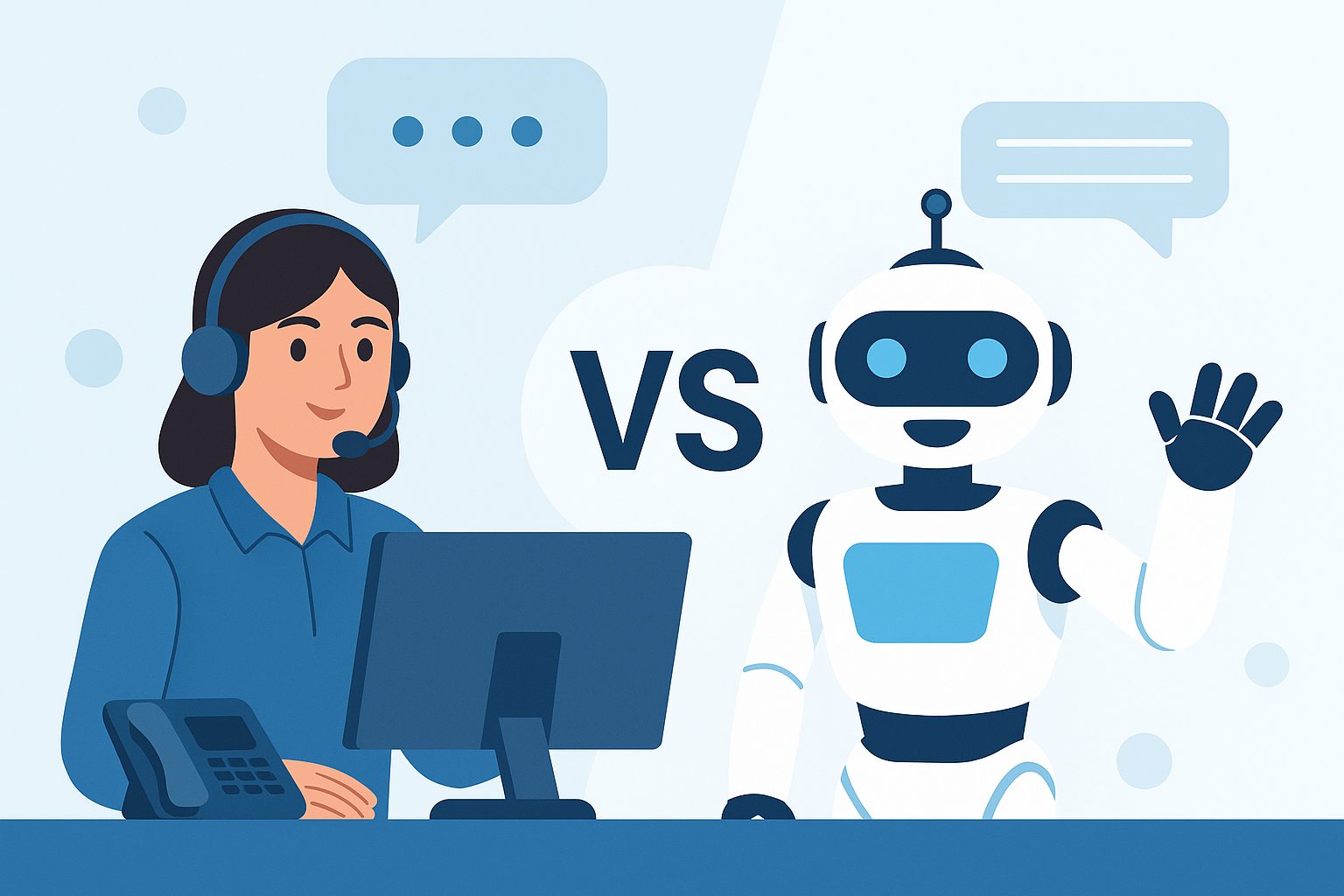
Gone are the days when customer support meant long hold times and scripted responses from human receptionists. In 2026, agentic AI—autonomous systems powered by generative AI and natural language processing—is transforming traditional customer service. These advanced AI agents don't just answer FAQs; they conduct natural voice conversations, manage complex tasks like booking appointments, processing orders, and even updating CRM records in real-time. This shift is particularly impactful in industries like doctors' offices, restaurants, real estate, and e-commerce, where timely, personalized interactions drive customer satisfaction and revenue.
The Evolution of AI in Customer Service
Customer service has rapidly evolved from basic chatbots to sophisticated AI voice agents. Early bots were limited to text-based FAQs, but today's systems leverage large language models for human-like voice interactions with low latency and high accuracy. Predictions indicate that by 2026, conversational AI could save contact centers $80 billion in labor costs, with up to 10-30% of agent interactions fully automated. Yet, the focus remains on augmentation: AI handles routine, high-volume tasks, freeing humans for empathetic, complex resolutions.
Key capabilities include:
- Natural voice conversations over phone calls
- Real-time actions like scheduling via calendar integrations
- CRM updates and workflow automation
- Seamless escalation to human agents when needed
These advancements ensure 24/7 availability, multilingual support, and consistent branding—without fatigue or off-hours gaps.
How AI Agents Work Beyond Simple Queries
Modern AI agents use machine learning to understand intent, context, and emotion. They integrate with tools like calendars, CRMs, and databases to perform actions autonomously:
- Check availability and book/reschedule appointments
- Qualify leads or process returns
- Update customer records and send confirmations
- Handle interruptions and clarify questions naturally
Platforms enable low-latency voice (under 1 second), sentiment analysis, and compliance features for regulated sectors. This goes far beyond scripted IVRs, delivering personalized experiences that feel genuinely helpful.
Industry-Specific Impacts
AI agents are tailor-made for high-touch sectors requiring quick, accurate responses.
Healthcare
Clinics use AI to manage patient calls 24/7: scheduling appointments, sending reminders, collecting intake info, and routing urgent cases. This reduces administrative burden, cuts no-shows, and ensures compliance with privacy standards.
Restaurants
Voice agents handle reservations, waitlists, takeout orders, and modifications during peak hours—never missing a call and warm-transferring complex requests to staff.
Real Estate
Agents qualify leads, answer property queries, schedule viewings, and capture buyer details—operating after hours to capture hot leads instantly.
E-Commerce
AI processes order tracking, returns, refunds, and upsell recommendations via voice or chat, deflecting repetitive inquiries and boosting conversion rates.
In each, AI delivers scalability without adding headcount.
Real-World Success Stories
Businesses across industries are seeing tangible results:
- A multi-location healthcare group automated appointment booking and reminders, handling 80% of calls autonomously while escalating only complex medical questions.
- Fine-dining restaurants deployed voice agents for reservations and orders, eliminating missed calls during rushes and improving table turnover.
- Real estate teams used AI to qualify leads and schedule tours, capturing off-hours inquiries and increasing showings significantly.
- E-commerce brands automated "where's my order?" and return requests, reducing support tickets and enhancing customer satisfaction.
- One platform reported resolving millions of interactions monthly with high CSAT, integrating directly into CRMs for seamless updates.
These cases demonstrate cost reductions of up to 30%, faster resolutions, and higher efficiency.
Benefits for Businesses and Customers
- 24/7 Availability: No more voicemail or missed opportunities.
- Cost Savings: Significant reductions in labor while scaling support.
- Consistency and Speed: Instant, accurate responses without variability.
- Personalization: Context-aware interactions using customer history.
- Human Augmentation: Agents focus on high-value, empathetic tasks—boosting job satisfaction.
Customers enjoy frictionless experiences, while businesses gain operational efficiency and data insights.
Challenges and Considerations
Adoption isn't without hurdles:
- Handling emotional or highly complex issues still requires humans.
- Potential biases or errors in AI responses need monitoring.
- Data privacy and compliance are critical, especially in healthcare.
- Initial setup requires quality training data and integrations.
Best practices include hybrid models (AI first, human escalation) and ongoing performance tuning.
The Future Outlook
By late 2020s, agentic AI could resolve 80% of routine issues autonomously. Expect deeper integrations, emotional AI for better sentiment handling, and proactive outreach. The winner will be hybrid systems: AI for scale, humans for heart.
Conclusion
From human receptionists to tireless 24/7 AI agents, customer support is undergoing a profound transformation. In industries like healthcare, restaurants, real estate, and e-commerce, these autonomous systems are not just replacing rote tasks—they're elevating the entire customer experience. Embrace this shift thoughtfully, and your business will deliver faster, smarter service in an always-on world.