OpenAI Launches GPT-5.2: A Swift Response to Google's Gemini 3 in the Intensifying AI Arms Race
Breaking Down GPT-5.2: Key Upgrades and Performance
GPT-5.2 arrives in three variants tailored for different use cases: Instant for quick queries like translation and information retrieval; Thinking for complex tasks involving math, long-document analysis, and planning; and Pro for maximum accuracy on challenging problems. OpenAI claims it sets new records on benchmarks like SWE-Bench Pro (agentic coding) and GPQA Diamond (graduate-level science reasoning).
Notably, the model excels in professional workflows, reportedly outperforming top human experts on 70.9% of well-specified tasks in OpenAI's internal GDPval evaluation. This builds on the flywheel of enterprise adoption, with API usage of reasoning tokens surging 320x year-over-year, signaling deeper integration into business processes.
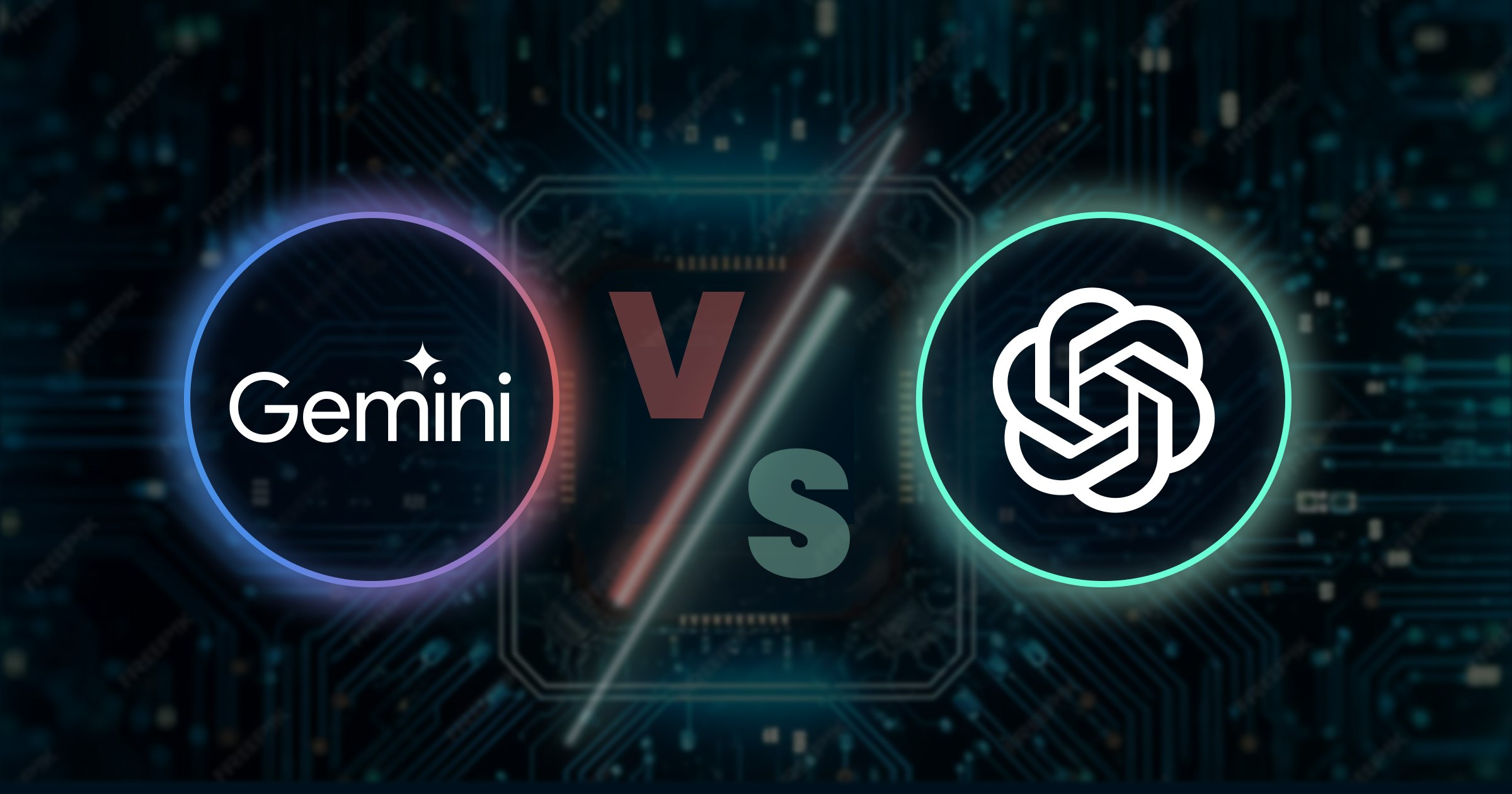
The launch timing is no coincidence. Google's Gemini 3, released in November, had claimed leadership on multiple leaderboards, prompting OpenAI's urgent pivot—pausing non-core projects to rally teams. As one industry observer noted, this "code red" mirrors historical tech rivalries, accelerating innovation but raising questions about sustainable development paces.
Broader Implications for the AI Ecosystem
This escalation highlights several trends reshaping generative AI and machine learning:
- Benchmark Wars and Real-World Utility: While GPT-5.2 tops many evaluations, competitors like Anthropic's Claude Opus 4.5 edge it on specific coding tests. The focus is shifting toward agentic AI—systems that autonomously use tools, browse the web, and execute multi-step reasoning—essential for transforming LLMs from chatbots to proactive assistants.
- Enterprise Momentum: OpenAI's data shows workers saving up to an hour daily, with organizations scaling complex AI applications. This aligns with surging investments in AI infrastructure, though recent stock dips (e.g., Oracle and Broadcom) reflect concerns over data center costs, energy demands, and debt financing amid the boom.
- Global Competition and Regulation: As U.S. firms race ahead, international players like China's DeepSeek release massive models matching frontier performance at lower costs. Meanwhile, policy shifts—such as recent executive actions centralizing AI oversight—aim to foster innovation while addressing risks like bias and deepfakes.
On the same day, Google countered with an upgraded Gemini Deep Research agent, powered by Gemini 3 Pro, enabling deeper web interactions and app integrations via its new Interactions API. This tit-for-tat exemplifies how multimodal AI (combining text, code, images, and tools) is becoming standard.
Risks and Ethical Considerations
Rapid releases bring benefits but also challenges. Energy-intensive training raises sustainability concerns, while "hallucinations" and bias persist despite safeguards. Experts warn of job displacement in knowledge work, though hybrid human-AI workflows may mitigate this—freeing professionals for higher-level creativity.
Looking ahead, 2026 promises even fiercer rivalry, with rumored massive models (e.g., potential Grok 5 or Claude successors) and hardware breakthroughs. For developers and businesses, the message is clear: Prioritize models with strong tool-calling, long-context windows, and transparent safety features to build reliable agentic systems.
GPT-5.2 isn't just an incremental update—it's a salvo in an AI race that's redefining productivity, creativity, and competition. As capabilities soar, the winners will be those balancing speed with responsibility, ensuring AI amplifies human potential without unintended consequences.