A reorder decision
The alert names the item and a suggested reorder. A person approves it.

AI Supply Chain Software
Brown Tech builds custom supply chain software with AI for one workflow your team repeats. We connect the ERP, WMS and inboxes you already use, and a person stays on the decision.

Orders and ship dates sit across an ERP, portals and email.
AI returns a draft action for a person to approve.
These are scenarios we can scope with your team, not past supply chain clients. We start with one process when the data and rules support it.

A forecast from your order history, beside the numbers planners already use.

An alert when stock is running out or sitting too long, for a person to approve.

A draft follow up when a ship date is missing, sent only when your rule says so.

Reads invoices and packing lists, then flags a mismatch. See back office automation.

Answers an order status call from your system, and hands off rather than inventing an ETA. See AI voice agent development.

Late shipments and short receipts, explained and sent to the owner.

If your team runs on GoHighLevel, we connect it to order and stock data for quote follow ups, reorder reminders and real order stages. See our GoHighLevel expert work.
A process review is the usual first step. You can also look at related work or bring a specific workflow.
Logistics software development connects carrier tracking, a TMS or WMS and freight invoices into one shipment record. We do not have a published logistics case study yet.
Cost, status and invoices checked against what actually moved.
Route ideas stay with a person. This is not autonomous routing.
A truck, the boxes and the route sit on one record. A dispatcher still approves what changes.

Supply chain software development here starts from your ERP, WMS and inbox, not from a new suite.

Python, Node.js, Next.js, PostgreSQL and n8n, around the tools you already run.
We will say so. See AI software development for larger builds.
Teams who lose hours to follow ups, document entry and stock checks.
The same manual load, on the systems you already run.
The alert names the item and a suggested reorder. A person approves it.
Late shipments and short receipts go to the owner in plain language.

The document is matched to the order, and a mismatch is flagged.

The agent reads the status it finds, and hands off if the record is stale.

The stack behind the systems on this site.
Where the data comes from, who decides and where time is lost.
We read your ERP, WMS, TMS, sheets and inbox, and say so if it needs cleaning. See data science consulting and machine learning services.
The first version drafts. A person approves. Every action is logged.
Scope grows only when the first workflow earns its place.
Since 2011
in business
1,000+
apps delivered
99%
client satisfaction
10+
billion-dollar companies served
Related ordering, work order and automation work from the Brown Tech portfolio. These are not supply chain case studies or logistics results.
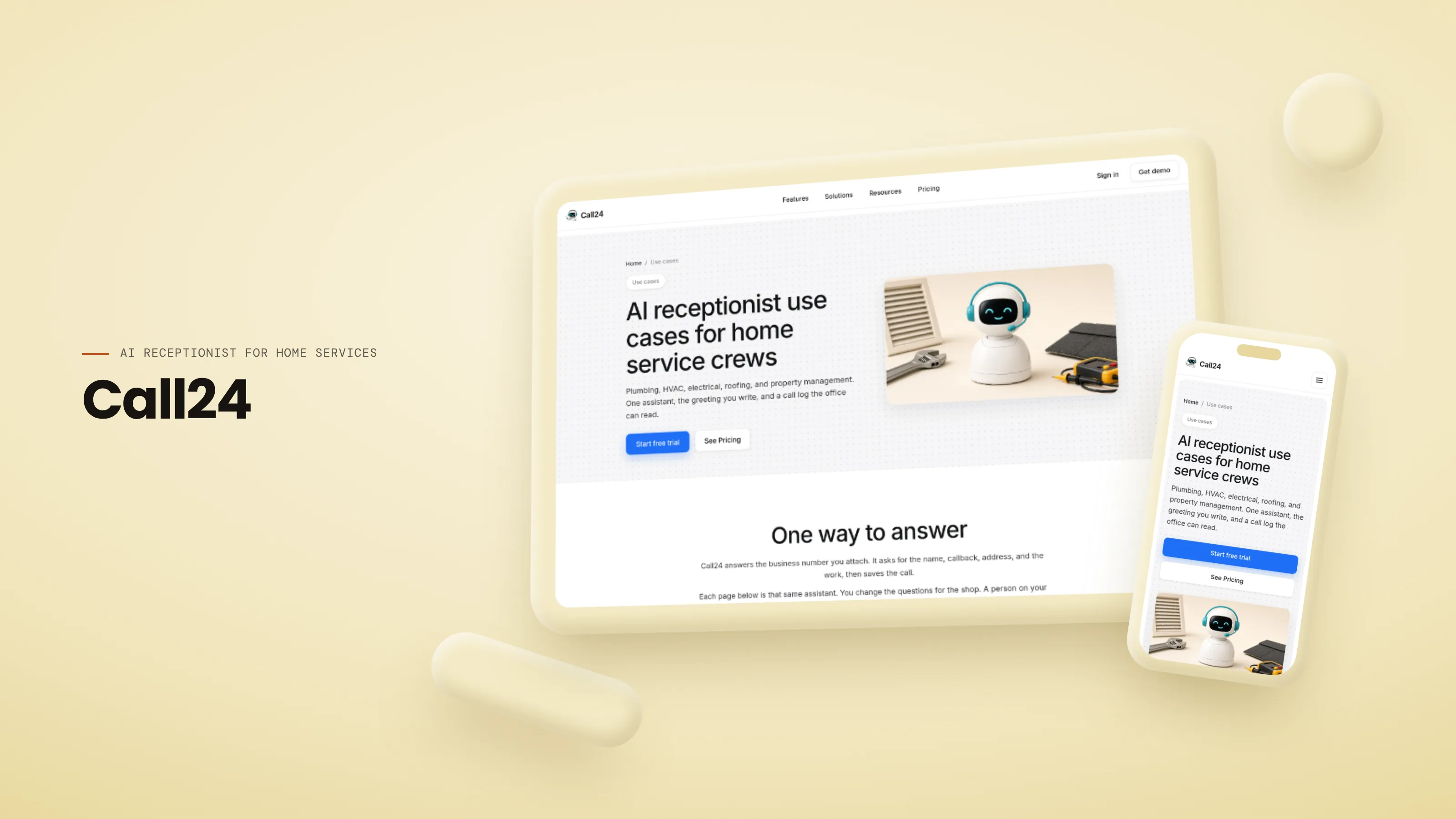
Brown Tech's own product. It handles order status and dispatch calls. Read the Call24 case study.
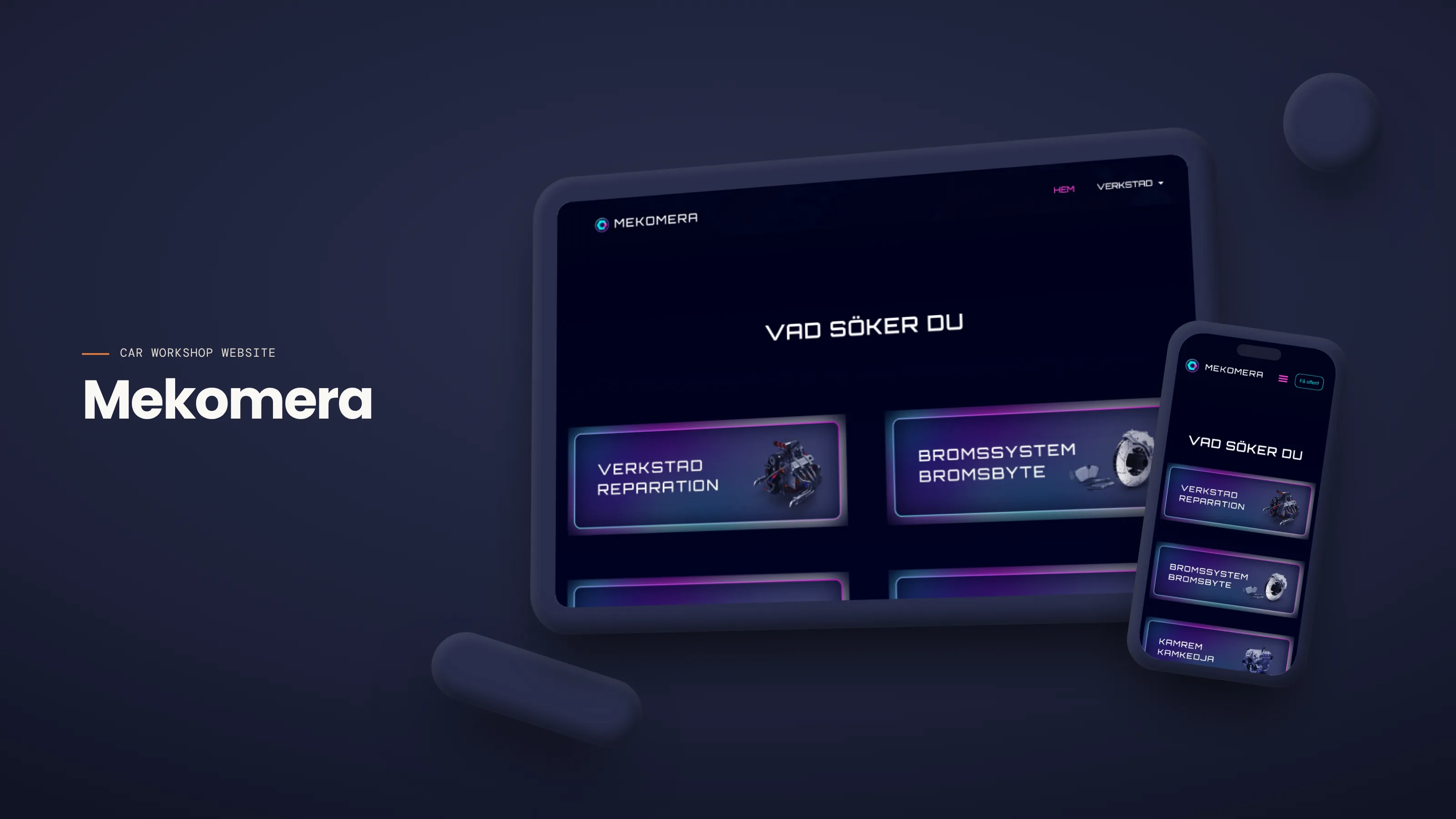
Brown Tech built the workshop flow for Mekomera, from request to work order and invoice. Read the Mekomera case study.
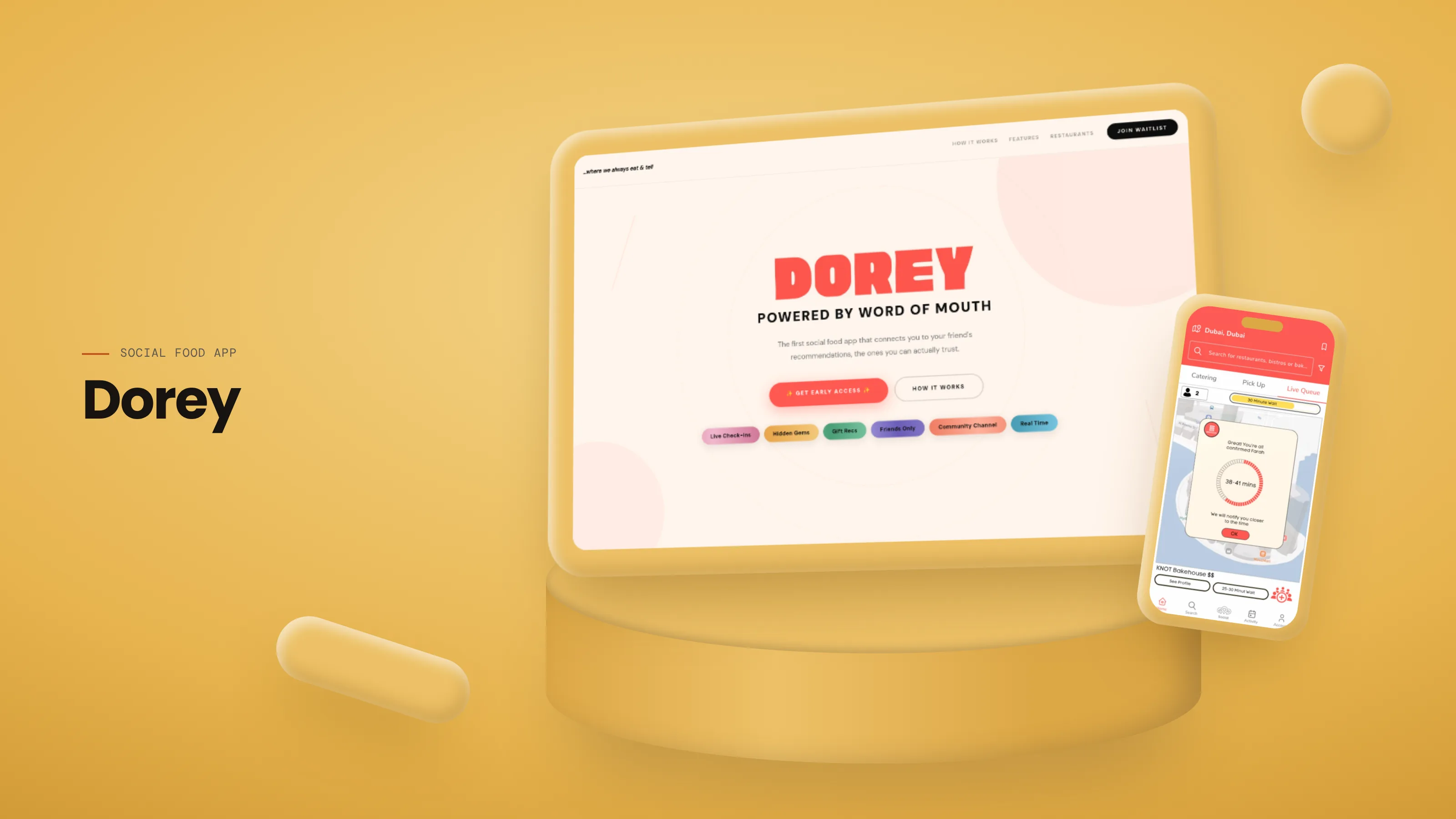
Brown Tech did full stack development on Dorey, where guests pre-order and join a live queue. Read the Dorey case study.
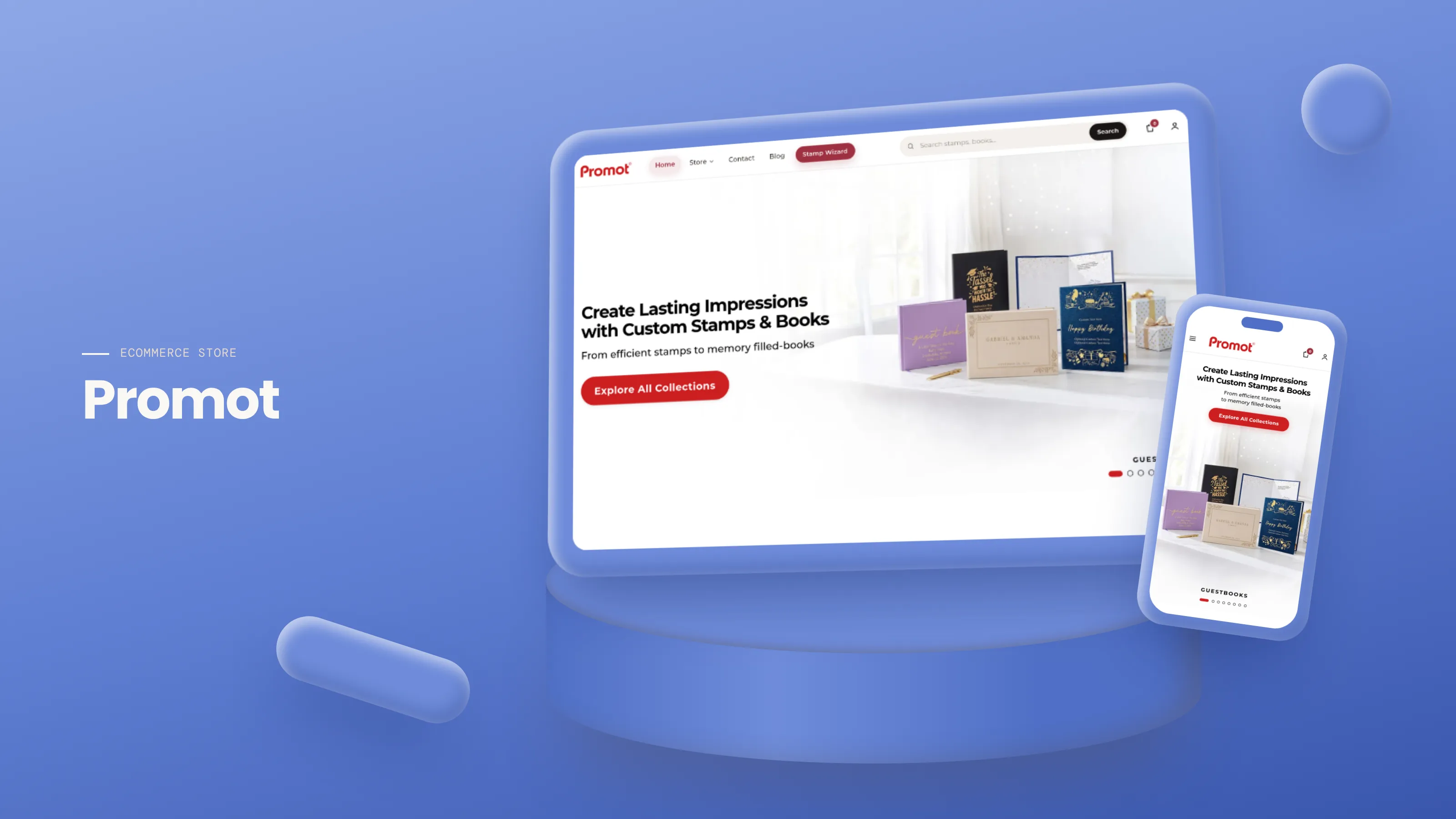
Brown Tech worked on Promot, an online store for stamps and guest books. Read the Promot case study.

An unnamed n8n build for a SaaS client: OpenAI routing, Slack alerts and a Google Sheets log.
Brown Tech has been in business since 2011. We design and build custom software, AI agents and automation for teams that want software built around how they already work.
We start with the system your team needs, connect it to the tools you already use, and add AI where it removes real work.
It reads your orders and stock, then drafts the next action for a person to approve. For a longer guide, read how AI transforms supply chain management.
No. We read from the systems you already run. If a system has no way in, we say so before the project starts.
When your process differs from what a standard tool expects. If a standard tool fits, we will say so.
No. A smaller team can start with one workflow. A standard tool or a simple rules based flow may fit better.
Not on this site yet. The work above is related ordering and automation, not a logistics result.